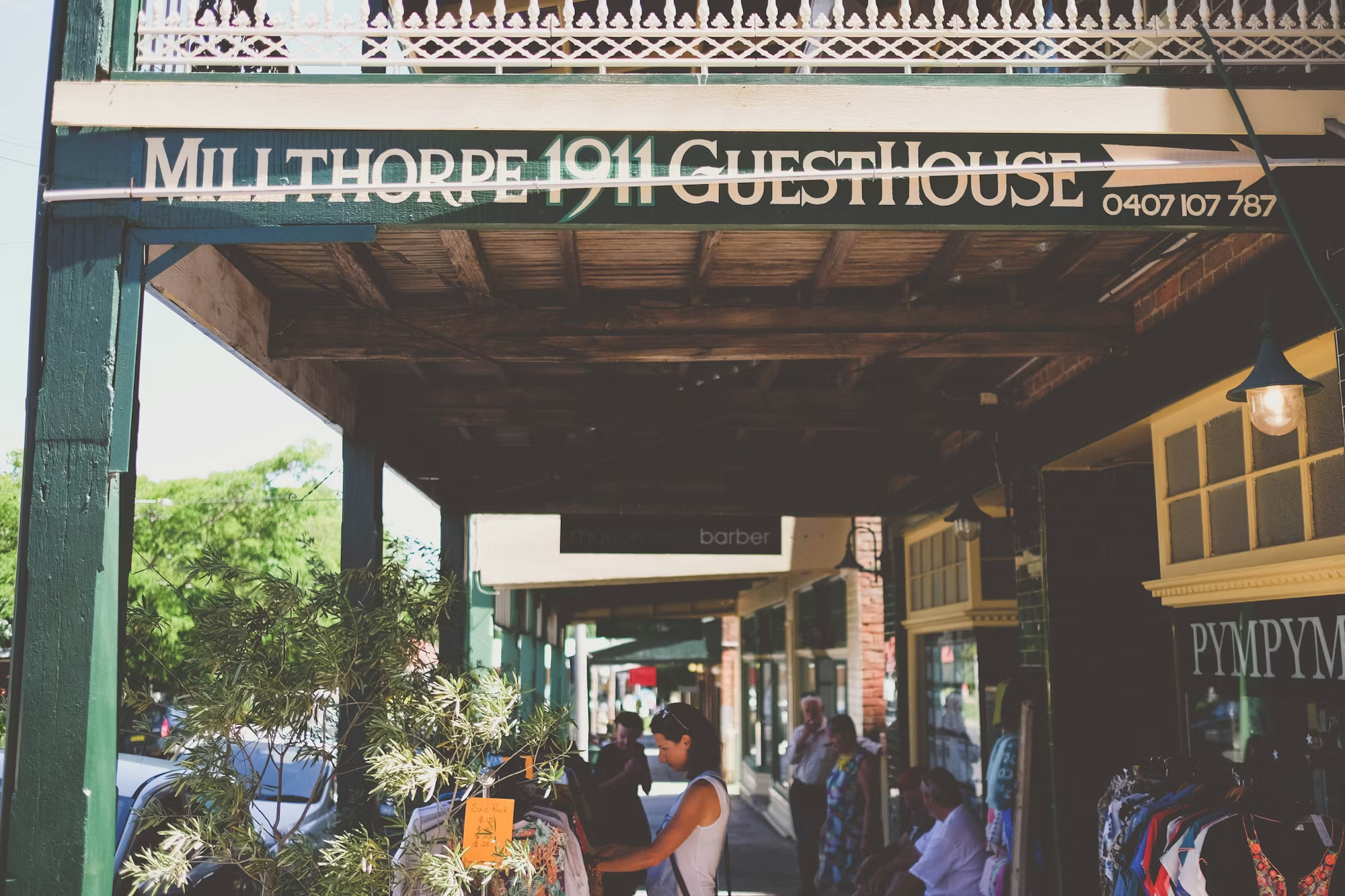
Bazaars have long been an integral part of commerce and culture in various regions, particularly in the Middle East and parts of Asia. These vibrant marketplaces serve as a melting pot of goods, ideas, and traditions, creating an experience that transcends mere shopping. From the colorful stalls filled with spices and textiles to the bustling atmosphere of bargaining and camaraderie, bazaars embody the essence of local life. This article explores the rich history of bazaars, their cultural significance, and the unique experiences they offer to both locals and visitors. The history of bazaars dates back to ancient times, serving as vital hubs for trade and social interaction. Originally established along trade routes, these markets allowed merchants to exchange goods and foster relationships with one another. As civilizations developed, so too did the complexity and scale of bazaars, evolving into multifaceted spaces that catered not just to trade but also to community gathering. Many bazaars have maintained their traditional layouts, with narrow alleyways and open-air stalls that invite exploration and discovery. The design of a bazaar is often a sensory delight, filled with vibrant colors, enticing aromas, and lively sounds. Visitors can immerse themselves in the experience as they wander through the maze of stalls, each offering a unique selection of goods. Spices, textiles, ceramics, and handcrafted items are just a few of the treasures that can be found in these markets. The opportunity to interact with local artisans and learn about their crafts adds a personal touch to the shopping experience. Bazaars are not just places to purchase goods; they also serve as cultural centers where traditions and customs are celebrated. Many bazaars host events, festivals, and performances that showcase local culture and heritage. These gatherings offer a chance for community members to come together, share stories, and participate in cultural exchanges. The atmosphere is often lively, filled with music, dance, and traditional foods, creating a sense of belonging and shared identity. One of the defining characteristics of bazaars is the art of bargaining, a practice that adds an element of excitement to the shopping experience. Haggling is not only a means to negotiate prices but also a cultural exchange that fosters relationships between buyers and sellers. Vendors often take pride in their craftsmanship and are eager to share the stories behind their products, enhancing the overall shopping experience. This interaction cultivates a sense of community, as shoppers are encouraged to engage with vendors and fellow customers alike. The role of bazaars in supporting local economies cannot be overstated. They provide a platform for small businesses and artisans to showcase their products, allowing them to thrive and contribute to their communities. By shopping at bazaars, consumers are directly supporting local entrepreneurs and helping to keep traditional crafts alive. This economic impact extends beyond individual vendors, as bazaars often stimulate growth in related sectors, such as tourism and hospitality. The rise of globalization has brought both challenges and opportunities for bazaars. While the influx of mass-produced goods can threaten traditional crafts, many bazaars have embraced the challenge by focusing on authenticity and uniqueness. Vendors are increasingly highlighting their handcrafted products and local ingredients, catering to a growing market of consumers who value sustainable and ethical practices. Additionally, bazaars have adapted to modern trends by incorporating digital marketing and e-commerce. Many vendors now utilize social media platforms to reach a wider audience, showcasing their products and connecting with customers online. This digital presence enhances the visibility of bazaars, attracting new visitors and creating a bridge between traditional commerce and contemporary marketing strategies. Looking ahead, the future of bazaars appears promising. As more people seek meaningful connections and authentic experiences, the allure of these markets will continue to grow. Bazaars can serve as cultural touchstones, preserving local heritage while fostering economic growth and community engagement. By embracing innovation while staying true to their roots, bazaars can ensure their relevance in an ever-changing world. In conclusion, bazaars are much more than shopping destinations; they are vibrant cultural hubs that embody the spirit of community and tradition. With their rich history, diverse offerings, and unique experiences, bazaars continue to captivate the hearts and minds of those who visit. As they evolve and adapt to modern challenges, these markets will remain essential in celebrating local craftsmanship, fostering community connections, and enriching the cultural tapestry of our societies. Whether wandering through the stalls filled with colorful textiles or savoring the aroma of freshly prepared foods, a visit to a bazaar is an unforgettable journey through time and culture.
